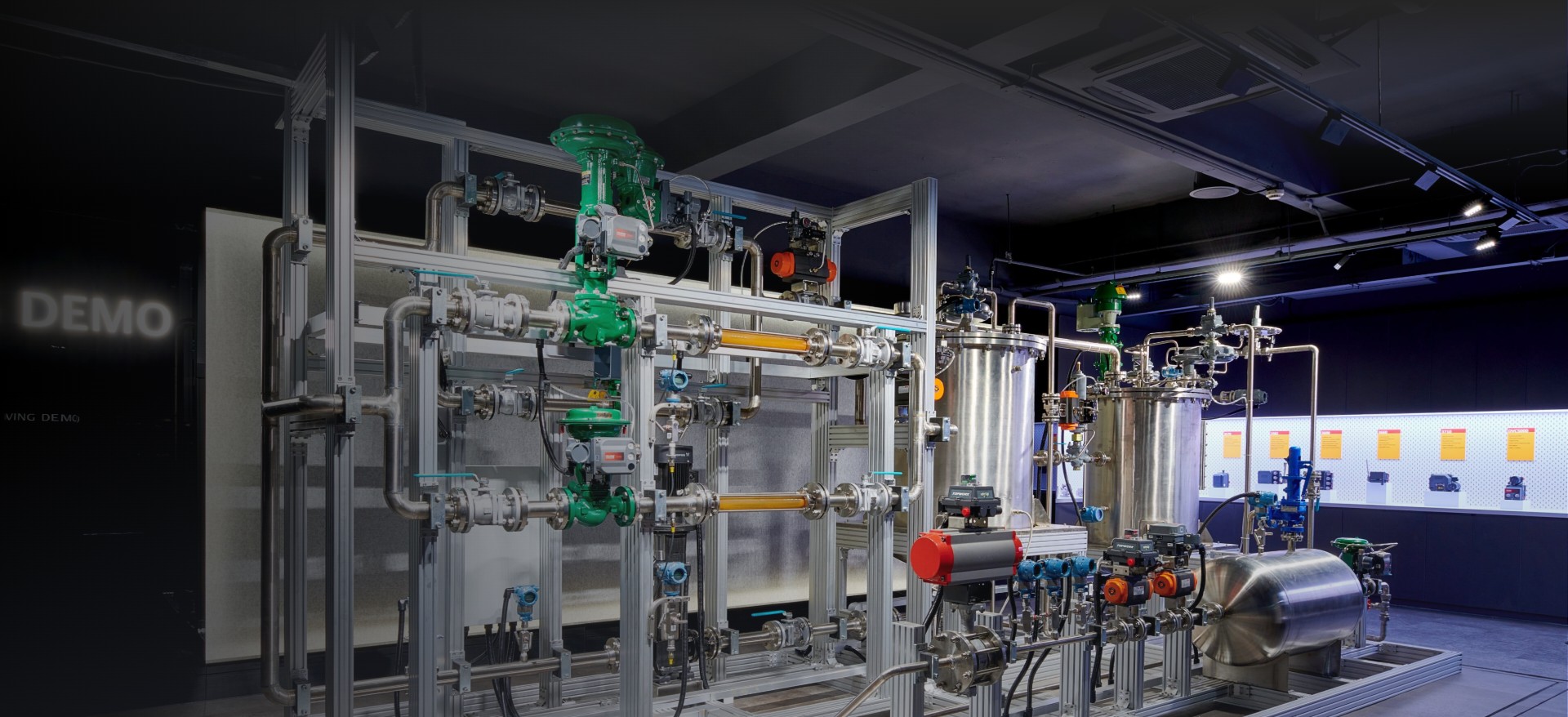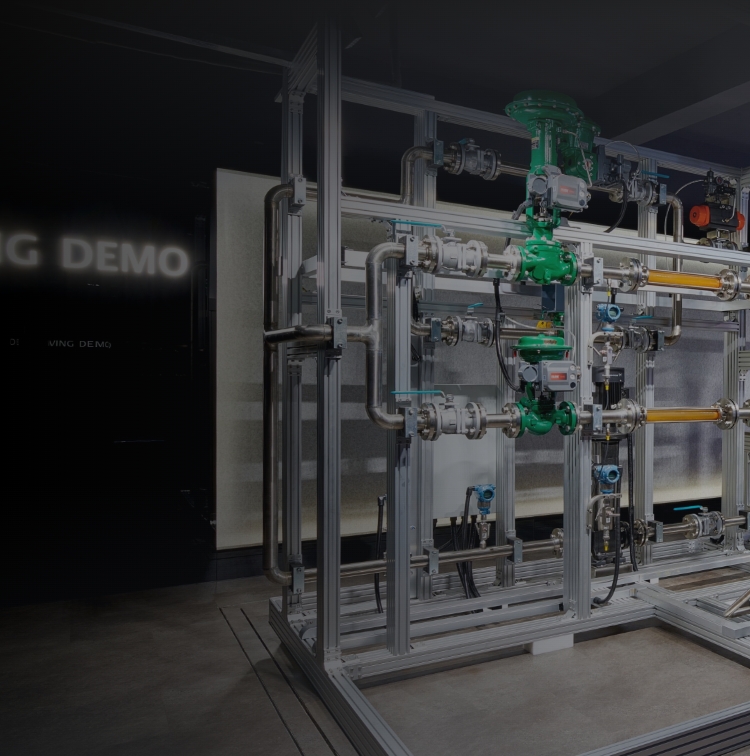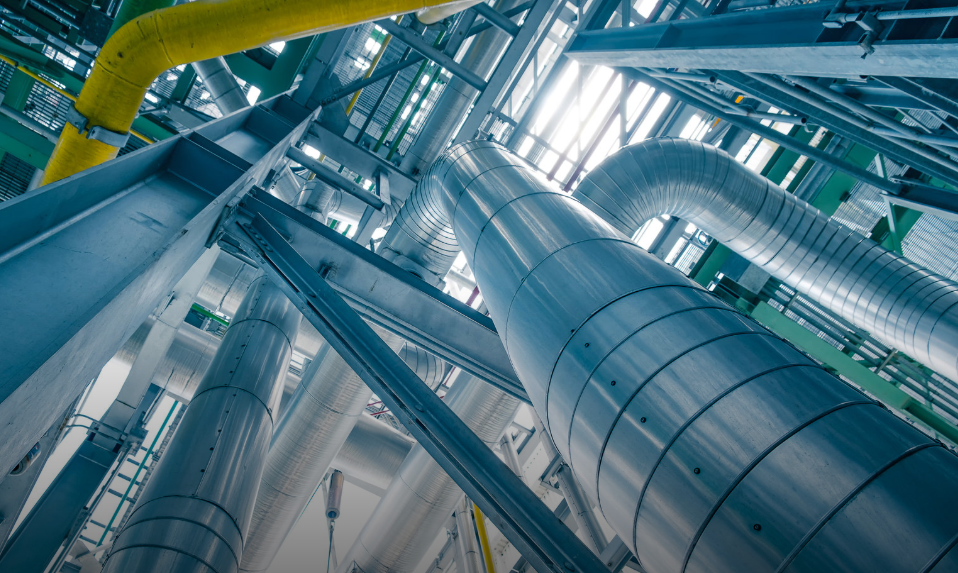
As a universal medium of heat energy and kinetic energy, steam is widely distributed in various industries. Steam system includs steam generation, transportation, metering, control, condensate and flash steam discharge and recovery. Many steam users are faced with poor steam pressure/temperature control, serious waste of heat energy, and safety hazards.
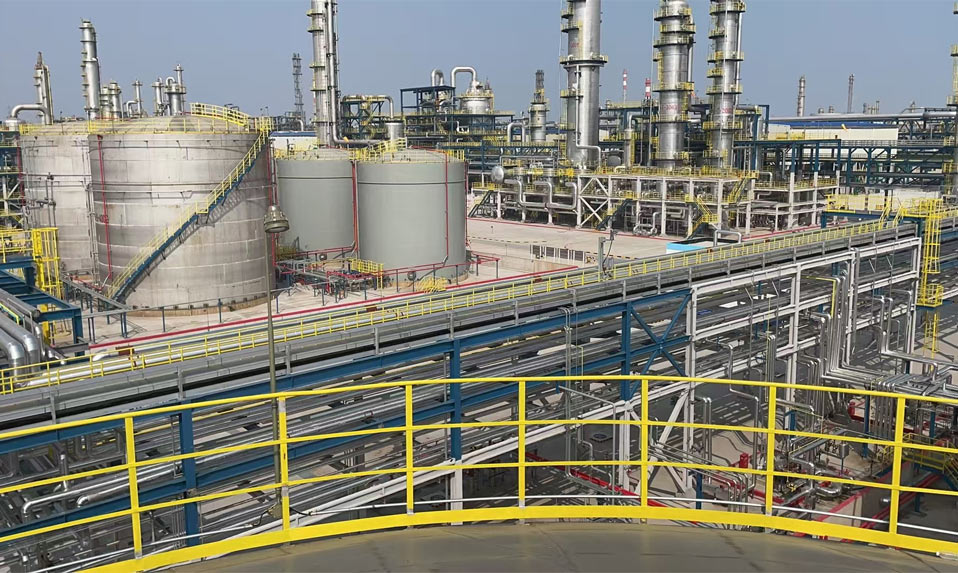
Nitrogen blanketing of storage tanks involves the application of Nitrogen cover over the surface of stored products. For volatile or toxic chemicals, nitrogen blanketing can protect workers, equipment, and the environment from potential hazards. When the stored product is food or other sensitive substances, the covering gas prevents oxidation and contamination from air or moisture exposure. Typically, the covering gas is pure, dry nitrogen. This process inhibits liquid evaporation into the atmosphere and maintains a protective vapor space above flammable or combustible liquids, thereby reducing ignition risks. It also compensates for volume changes caused by liquid displacement or thermal variations within the tank, preventing the formation of vacuum conditions or excessive operating pressures. Fisher's control valves are specifically engineered to manage the blanketing requirements for a wide range of products including solvents, adhesives, catalysts, chemicals, fuels, fats, oils, foods, inks, pharmaceuticals, photographic chemicals, soaps, and ultra-pure water. Products that are flammable, prone to oxidation, or susceptible to damage from air or moisture exposure should be protected with nitrogen blanketing.
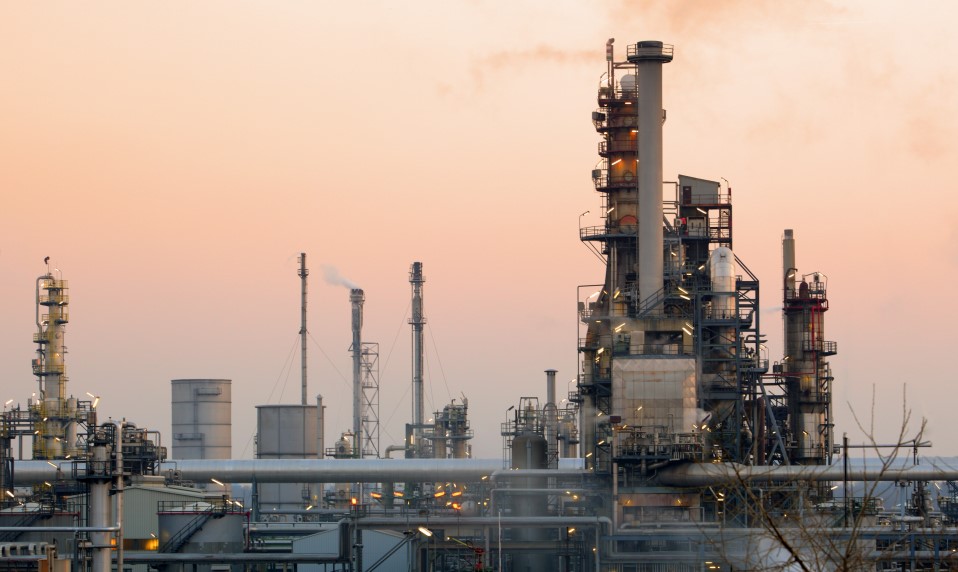
Hydroprocessing consists of hydrotreating and hydrocracking processes.
Hydrotreating is used to remove undesirable contents in the feedstock such as sulfur, nitrogen and other metal contaminants. Meanwhile hydrocracking cracks long chain hydrocarbons feedstock into lighter components.
Both processes require hydrogen at high temperature and pressure with the presence of catalysts for a reaction to take place. The effluent at the reactor outlet contains a combination of trapped, dissolved gases, like unreacted hydrogen, light hydrocarbons and Hydrogen Sulfide. The effluent will later let down pressure to a stripper or distillation column. When the high pressure is being let down in this application, the fluid will undergo outgassing, flashing and cavitation with entrained catalyst, therefore special attention is necessary for selecting the right valve to address erosion, corrosion and vibration. The most common service names found in both the hydrotreating and cracking units are hot high and cold high pressure separators.
Tel: 021-33505868
Add: No.1239 Shuhai Road, Songjiang District, Shanghai China

Follow SC on Official
Social Account

Follow SC on
Video Channel